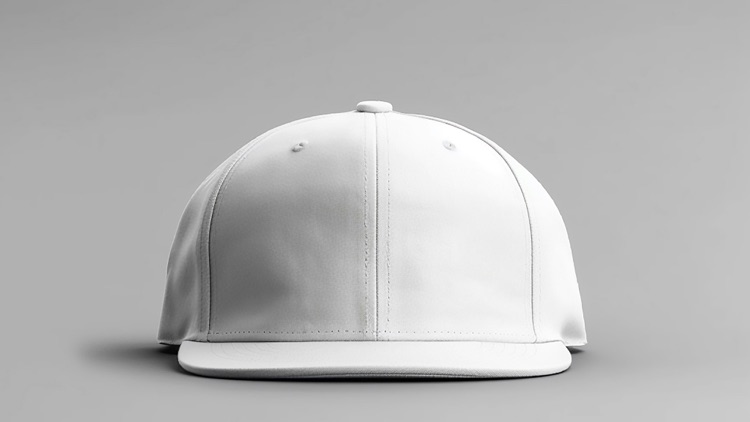
Baseball caps are one of the most common custom products, but sourcing them well still takes discipline. A buyer may need a simple promotional cap, a retail-ready private-label style, a sports team cap, a golf rope cap, or a performance cap with technical fabric. These products may all be called baseball caps, yet they require different materials, construction, decoration, packaging, and quality control.
When comparing suppliers, start by checking whether the supplier model fits the order. A Baseball cap Manufacturer should be evaluated by product development ability, sample quality, production control, communication, and delivery reliability before price becomes the deciding factor.
Understand the Supplier Type
Search results for this topic often mix several types of companies. Some are domestic manufacturers. Some are blank cap wholesalers. Some are decorators that embroider or patch existing caps. Some are promotional product distributors. Some are overseas OEM factories or trading companies.
Each model has a place. If you need a small rush order with a simple logo, a decorator or wholesaler may be faster. If you need a private-label cap with custom fabric, pattern, labels, packaging, and repeat production, an OEM manufacturer is usually more suitable. If the order is for retail, the ability to control fit, color, crown shape, and decoration becomes more important.
Choose the Right Cap Style
Baseball caps come in many forms: 5-panel caps, 6-panel caps, snapbacks, dad hats, trucker caps, fitted caps, stretch-fit caps, rope caps, and performance caps. Style selection depends on the target user and sales channel.
A dad hat can work for casual lifestyle branding. A structured snapback may suit streetwear or event merchandise. A trucker cap offers a recognizable mesh-back look. A rope cap can work well for golf and resort programs. A performance cap needs lighter fabric, better ventilation, and sweat management.
Before asking for quotes, decide the style, crown height, structure level, visor curve, closure, and fit. If you are not sure, ask the supplier to recommend existing patterns for your market.
Materials and Construction
Fabric selection affects appearance, comfort, cost, and durability. Cotton twill is familiar and works well for casual caps. Washed cotton creates a softer vintage look. Polyester and nylon blends can support performance programs. Mesh panels work for trucker styles. Stretch blends can improve fit but may require careful logo testing.
Construction details also affect the result. Panel symmetry, crown backing, seam tension, visor shape, sweatband, closure, and inner tape all affect the final product. A cap with good fabric can still look weak if the crown is uneven or the front panel puckers around the logo.
Ask for physical samples or reference styles. Photos are useful, but they do not show hand feel, fit, or internal finishing.
Decoration Method
Logo decoration can make or break the cap. Common methods include flat embroidery, 3D embroidery, woven patches, printed patches, silicone patches, TPU labels, leather patches, heat transfers, and sublimation. The best method depends on fabric, logo complexity, target price, and brand style.
Embroidery is durable and familiar, but it may distort thin performance fabrics. Woven patches handle fine detail. Silicone and TPU patches give a modern technical feel. Leather patches can suit outdoor or lifestyle caps. Heat transfers can be light and clean, but adhesion should be checked.
Send vector artwork, logo size, placement, Pantone colors, and any brand guidelines. Ask for a sample with the real decoration method before approving bulk production.
MOQ, Sampling, and Lead Time
MOQ varies by style, material, color, and logo method. Existing fabrics and common cap bodies usually allow more flexible production. Custom-dyed fabric, special patches, new molds, or private-label packaging may raise the minimum order.
Sampling should be treated as product development, not a formality. Review the first sample for fabric, shape, size, logo, stitching, sweatband, closure, color, and packing. If revisions are needed, give precise feedback. Clear comments reduce the number of sampling rounds and help keep the schedule under control.
Lead time should be broken into stages: material sourcing, sample approval, bulk production, finishing, inspection, packing, and shipping. If the caps are needed for a fixed event, start earlier than you think.
Quality Control
A practical QC plan protects the buyer from visible and functional problems. Inspection should cover material, color, crown shape, logo position, embroidery or patch quality, stitching, loose threads, closure function, sweatband, labels, packing, and carton marks.
For retail orders, also confirm SKU separation, barcodes, hangtags, polybags, and carton labeling. For structured caps, packing must protect the crown shape. Poor packing can damage otherwise acceptable caps.
RFQ Checklist
Before contacting a manufacturer, prepare:
- Cap style and reference photos
- Fabric preference
- Color and Pantone codes
- Logo artwork
- Decoration method
- Quantity by style and color
- Closure and size requirements
- Label and packaging needs
- Destination and Incoterms
- Target sample date and delivery date
Final Recommendation
Choosing a baseball cap manufacturer means matching supplier capability to product requirements. Select a partner that asks detailed questions, recommends practical materials, produces clear samples, controls decoration quality, and protects the cap during packing and shipping.
For simple promotional orders, speed and price may matter most. For private-label and retail programs, product consistency matters more. Define the cap clearly before requesting prices, and the sourcing process becomes much easier to control.