Recent trends in modern houses are characterized by connectivity, automation, and intelligent design, and the security of the door has changed accordingly. The use of smart lock for house is slowly replacing traditional mechanical locks, which are less secure, less convenient, and less controlled. Today, homeowners are not interested in keeping intruders away, but also in how to make their everyday life easier and, in general, make their living conditions better. Smart door locks meet these expectations by using a blend of high technology with user-friendliness, making them a desirable home choice in modern households.
Keyless Entry and Everyday Convenience
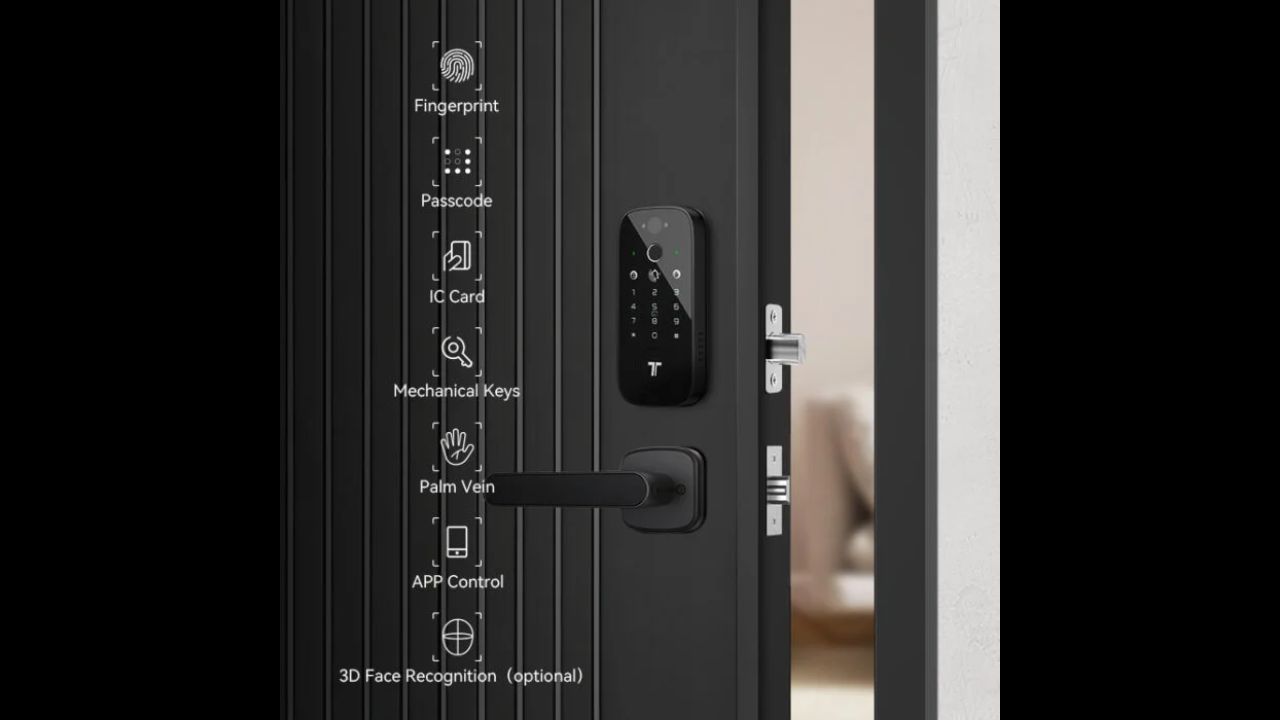
Keyless entry is considered one of the most treasured capabilities of smart door locks. Homeowners are able to get rid of lost keys or duplicate keys by using physical keys. Fingerprint recognition, face recognition, passwords, and access to mobile apps are some of the technologies that enable one to unlock the doors without delays and physical hardships. This is particularly attractive to families, aged individuals, and busy people. The capability to open a door with the touch of a finger or a glance turns the routine process of walking into the house into a smooth process.
Advanced Biometric Security
Security is the leading reason that makes homeowners spend on smart door locks, and biometric technology has become a characteristic. Fingerprint sensors and 3D face recognition devices are more accurate than traditional locks. These are the biometric techniques that limit access to those with the key, and the likelihood of forced entry or misuse is very low. Biometric security allows homeowners to appreciate the customized aspect of security, where a person is identified by unique physical characteristics that are hard to duplicate or steal.
Remote Access and Smart Connectivity
The other feature that the homeowners highly appreciate is smart connectivity. Through mobile applications, the customers can remotely lock or unlock doors, access the log, and receive real-time updates. This feature is a source of peace, especially when the owners of the homes are not in the house. The remote control will add an advantage of security that is not provided by the traditional locks, temporary access by the visitors, or even the confidence that the door was well locked after the exit. This experience can be enhanced with the integration with the smart home ecosystems, and the smart locks may be operated along with the cameras, alarms, and voice assistants.
Design, Durability, and Modern Aesthetics
Homeowners also emphasize design and build quality, other than technology. The smart door locks are made to match the modern interior and exterior doors. Streamlined finishes, handles, and simple lines are the elements of the overall charm of a home. Durability is also a key factor since owners of smart locks would want them to last to resist frequent instances of use and changes in weather. Durable and quality materials are very important for long-term satisfaction and durability.
Multi-Access Options for Flexible Living
The other aspects that are most preferred by homeowners are flexibility in the access methods. Smart door locks will have a variety of unlocking customizations, enabling users to have the best unlocking customizations to fit various scenarios. A homeowner may want to have fingerprint access that he can use in his day-to-day operations, but the guest may be provided with temporary password access. This flexibility ensures that smart locks apply in various homes, such as families, rentals, and living quarters. The capability of access control and personalization increases the level of ease of access as well as security.
The Future of Smart Door Locks in Residential Spaces
As the technology of smart homes is further developed, smarter door locks can only become easier to use and more secure. An increasing number of homeowners are viewing the use of such locks as an essential home security measure and not a luxury item. The features of smart door locks are more concerned with the aspects of safety, convenience, and design, which fit the requirements in the modern context. The fact that they are increasingly being used is a pointer to a bigger scale transition to smarter and more connected homes, where comfort and security cannot be separated.
Conclusion
Smart door locks have transformed the way in which homeowners think of residential security. They also cover the aspects of keyless access, biometric security, remote access, and sleek design to consider the preferences of the contemporary homeowner. These smart locks are going to be critical in the development of safer, more convenient, and connected homes as the technology changes.